
 There was something rather splendid about this woman who would not have looked out of place in the pages of a magazine, but whom fate had put here, in the the East End, in a tube station with a cigarette in her mouth and a small child. It set her apart from the wretched mother and her five starving children.
Diana Meadows is lost. She and her three year old daughter Abigail have come up to London on secret business, and somehow caught the wrong bus. Now she’s in the East End and the air raid sirens are blaring. Not far away Nancy Levin and her own daughter, Emily, are cooking chips for dinner when they, too, hear the siren. They know what to do, having done it many times before, and gather their belongings before heading off to the shelter.Both women’s husbands are off at the war – Diana’s Gerald is serving with a tank regiment in North Africa, while Nancy’s Joe has just left to return to the navy after surviving a torpedoing. The husbands believe their wives and daughters are safe. The two women spend the night camped beside each other in the cramped underground space. Though they don’t speak, each observes the other – and their lives become linked before the all clear sounds.
The Safest Place in London is a gripping, shocking tale of war time life and the lengths mothers will go to to protect their families. With the chance to observe the thoughts processes of both characters, and to see what happens beyond the terrible night in the shelter, readers will grow to know them, and perhaps to understand their actions.
Lots to think about both during and after reading.
The Safest Place in London, by Maggie Joel
Allen & Unwin, 2016
ISBN 9781743310601


 In the end it was the cancer that brought the memories. Chemotherapy sleep, cold like reptile skin. The smell of bile, the bone-deep ache and – for the first time in decades – dreams.
 From the appointment of the Controller, Colonel Sybil Irving, on 29 September 1941, until the cessation of hostilities in August 1945, over 24,000 girls and women enlisted as volunteers in the Australian Women’s Army Service (AWAS).
 Left! Left! Left! Right! Left!
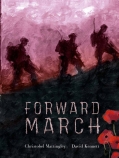 In towns and cities across Australia bells ring,
 Left! Left! Right! Left!
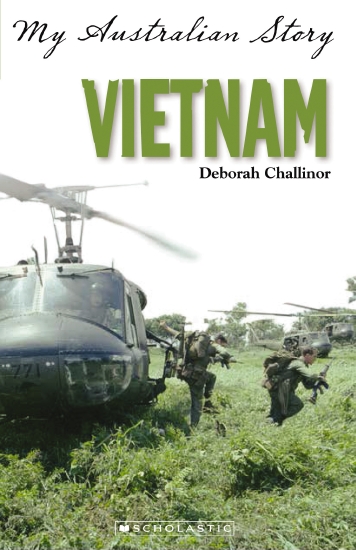 It’s supposed to be a fair way to decide who does national service and who doesn’t, but Mum reckons it isn’t. She says the fate of a mother’s son shouldn’t depend on a number picked out of a barrel. The marbles that go in the barrel have the days of the month on them. An agreed number of marbles are drawn out of the barrel, and if your birth date is on one, you’re ‘balloted in’.